Kindergarten at Little Owls
Learning through play, relationships and discovery
Language and communication
Little Owls is a bilingual environment where Maltese and English are meaningfully incorporated into children's everyday experiences.
Children encounter both languages through stories, songs, rhymes, conversations, routines, play, labels, mark-making and social interaction.
Nature and outdoor learning
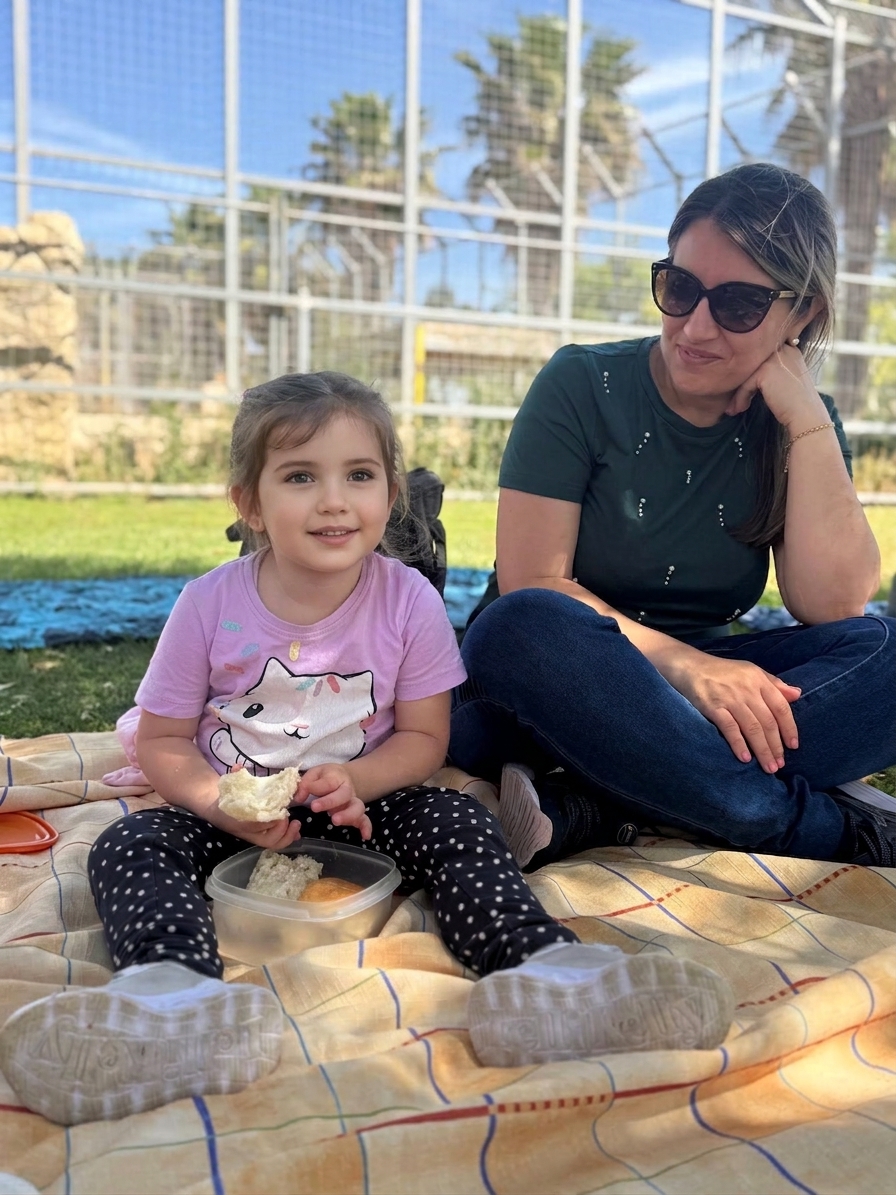
Outdoor learning is an important part of life at Little Owls. Children have opportunities to explore nature, observe seasonal changes, investigate natural materials, care for plants, engage in physical movement and experience supervised challenge.
Our Nordic-inspired approach places particular value on outdoor learning, independence, children's agency, well-being and connection with nature.
* Children's faces have been AI-generated to protect their privacy — everything else in our photos is real.
Our whole-child approach
At Little Owls, we look beyond academic skills.
We support the whole child – socially, emotionally, physically, cognitively, creatively and linguistically.
Growing independence
Independence
Confidence
Resilience
Relating to others
Communication
Empathy
Positive relationships
Thinking and creating
Curiosity
Creativity
Problem-solving
Belonging and growing
A sense of belonging
Physical competence
Positive
attitudes towards learning
How we observe and assess learning
Assessment is formative and observation-based. Educators observe children during play, routines, outdoor experiences, group activities and projects to understand their strengths, interests, development and support needs.
Children's learning is documented through observations, developmental portfolios, photographs, children's work, learning stories and educator reflections.
A typical Kindergarten day
This routine is based on the daily routine set out in the Little Owls Kindergarten Curriculum.